
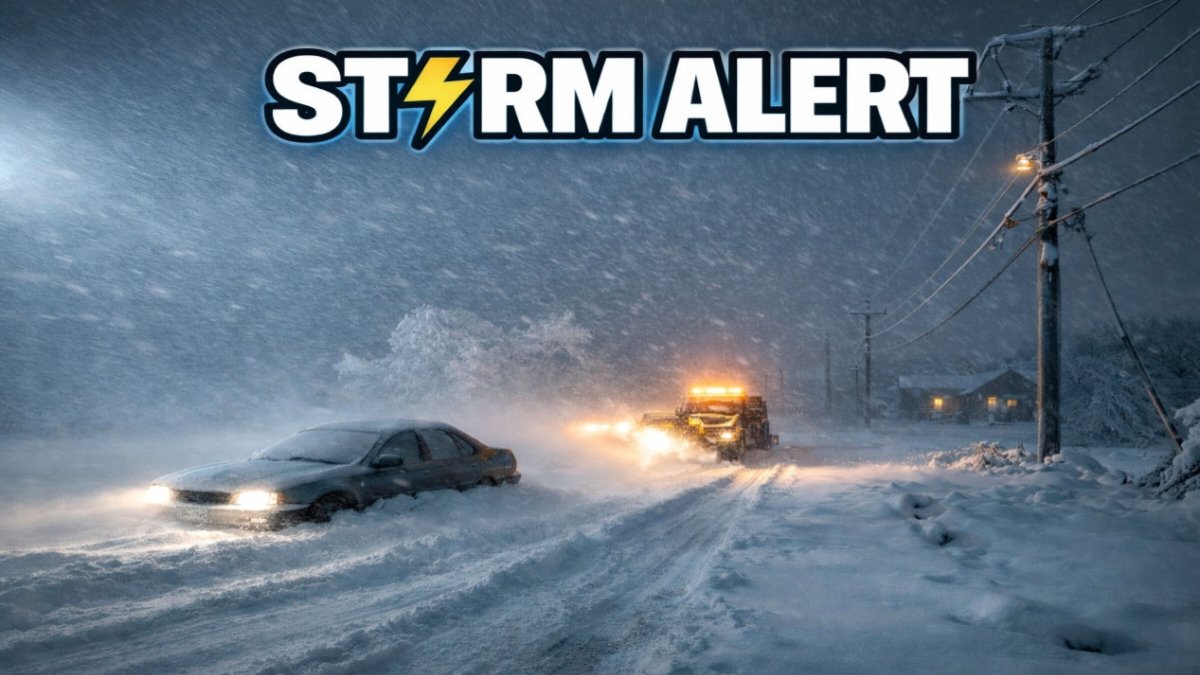
Winter Storm Alert 2026 : The snow didn’t arrive with drama. It crept in quietly before dawn, soft flakes thickening as the wind began to push them sideways. By early morning, roads were already losing the battle, and emergency alerts were lighting up phones across the region. What started as a forecast has now turned into a major winter storm warning, with meteorologists cautioning that up to 60 inches of snow could fall in some areas before the weekend is over.
Officials are warning residents to prepare for dangerous travel, widespread power outages, and multi-day disruptions as the slow-moving system settles in.
ALSO READ : Discover Super-Rare State Quarters Worth a Fortune — You Might Have One in Your Pocket
Why This Storm Is Different From a Typical Snowfall
Snow is nothing new in winter, but forecasters say this system crosses a critical threshold. Arctic air plunging south is colliding with a moisture-rich Pacific storm, creating a powerful setup that allows snow bands to stall over the same areas for hours.
In higher elevations and mountain passes, totals could reach four to five feet, with isolated locations possibly exceeding that. Lower elevations may see less accumulation, but heavier, wetter snow that sticks to trees and power lines — the kind that causes outages quickly. Meteorologists describe the threat using words rarely applied lightly: crippling, dangerous, and potentially historic.
Travel Could Become Impossible, Even for Experienced Drivers
Transportation agencies are urging people to stay off the roads once snowfall intensifies. Plows will focus on major highways and emergency routes, leaving many secondary roads impassable.
Authorities stress that four-wheel drive and snow tires do not make travel safe in whiteout conditions. Visibility may drop to near zero, and vehicles can become stranded faster than help can arrive.
If travel is unavoidable, emergency kits are strongly advised, including warm clothing, food, water, a shovel, and a fully charged phone.
Power Outages Are a Major Concern
Heavy snow combined with gusty winds puts power infrastructure at high risk. Utility crews are preparing, but restoration could take time if access is limited. Residents are encouraged to charge devices early, test flashlights, check carbon monoxide detectors, and plan for alternate heating. Officials recommend preparing for 24 to 72 hours without electricity, especially in harder-hit areas.
What to Do Before the Worst Hits
Preparation doesn’t need to be extreme to be effective. Experts recommend focusing on essentials: food that doesn’t require much cooking, necessary medications, pet supplies, batteries, and backup power for phones. Checking on neighbors — especially older adults or those with medical needs — can make a critical difference once conditions worsen.
The Days After Matter Too
Emergency managers warn that the most difficult period often comes after the snow stops falling. Roads reopen slowly, fatigue sets in, and power restoration can lag in some neighborhoods. Cleanup should be done in short sessions to avoid injury, and travel should wait until conditions truly improve.
Final Takeaway
This storm isn’t just about impressive snowfall totals. It’s about timing, weight, and duration — the combination that turns a winter weekend into a serious safety event. The forecast is already set. What’s still in our control is how we prepare, how we slow down, and how we look out for each other while it passes.